As California prepares for Medi-Cal changes in 2026 and beyond, community-based organizations (CBOs) and public sector leaders are essential to ensuring Medi-Cal members, as well as the underinsured and uninsured, continue to access vital healthcare services.
In partnership with Inland Empire Health Plan (IEHP), IEHP Foundation hosted the IE Vibrant Health Forums: Navigating Medi-Cal 2026: Policy, Practice, and Partnerships. These forums aimed to equip local leaders and partners with the knowledge, tools and connections needed to address upcoming changes.
First, it is important to understand the reasons behind these changes.
In July 2024, Congress passed H.R.1, known as the Big Beautiful Bill Act, supported by most Republicans, which extended the 2017 tax cuts, removed taxes on tips and boosted the child tax credit. To pay for those changes, lawmakers trimmed programs like Medicaid (the federal health program that funds Medi-Cal in California) and the Supplemental Nutrition Assistance Program (SNAP).
The biggest changes to Medicaid and Medi-Cal come through stricter eligibility rules, caps on state provider taxes, and limits on state-directed payments, which limit reimbursement options, reduce payment rates to medical providers, and ultimately reduce access and funding.
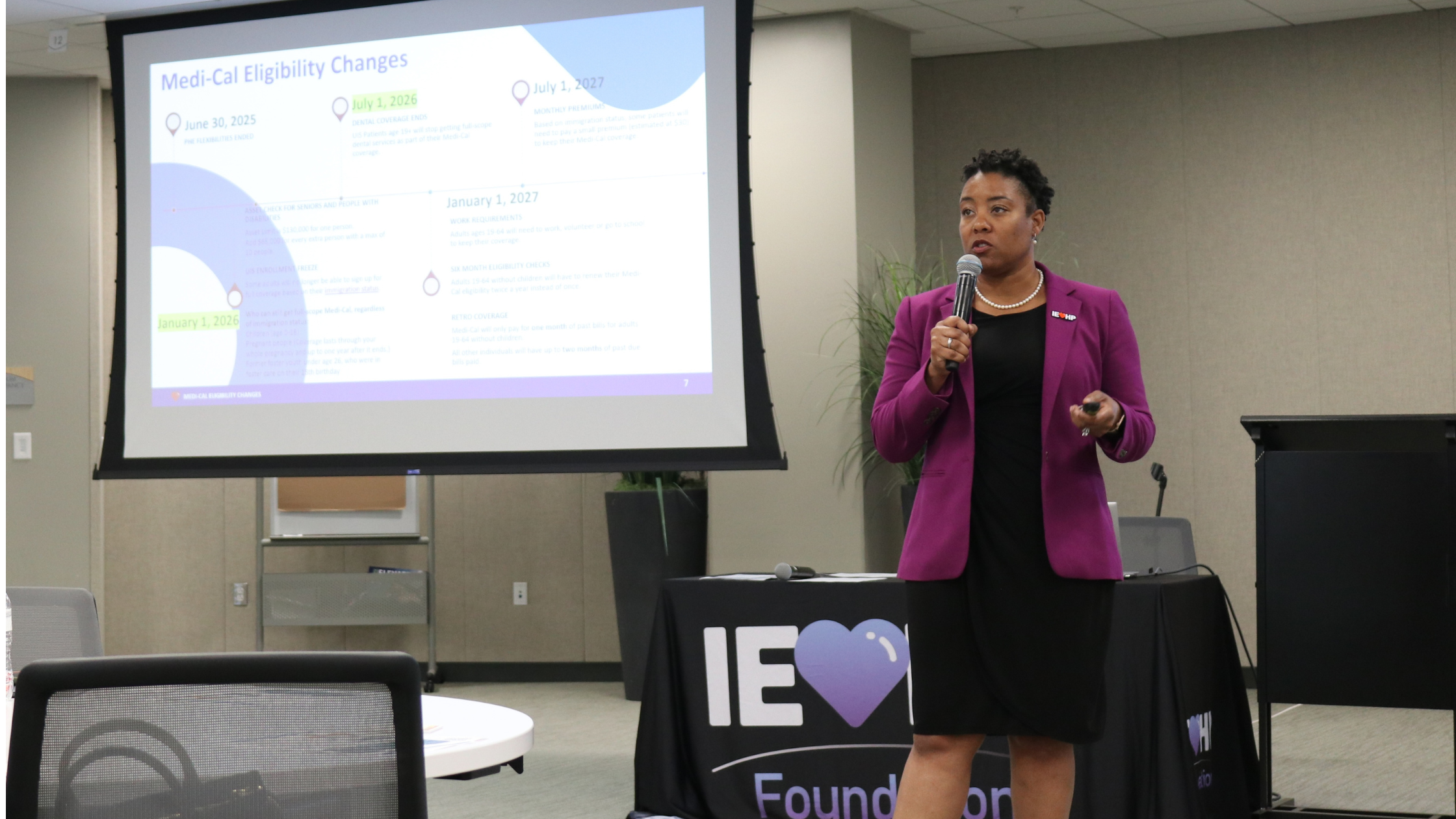
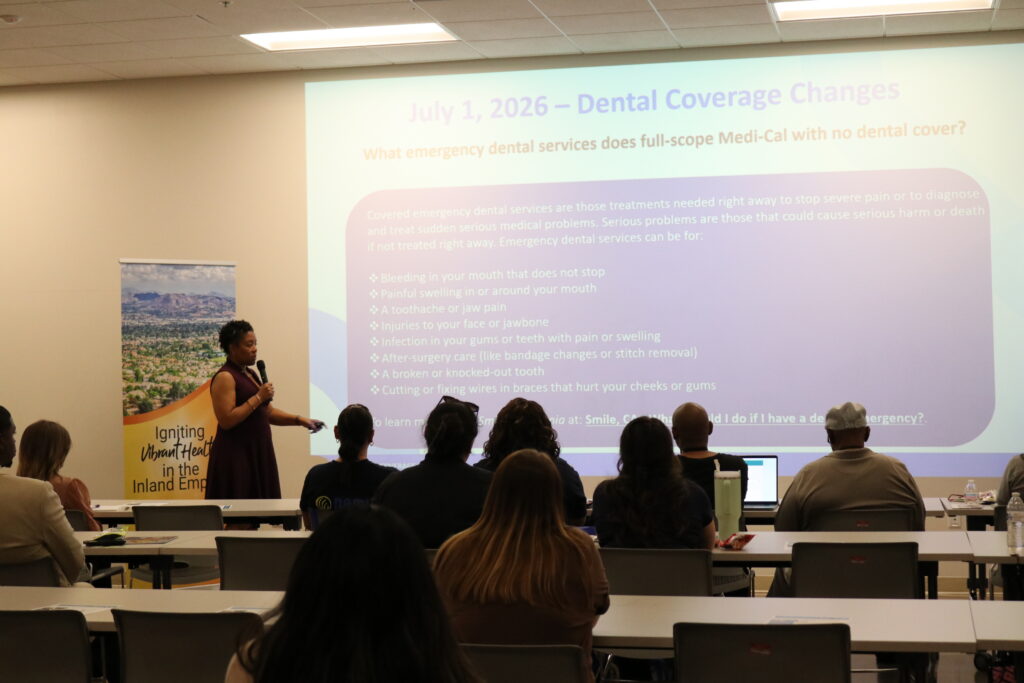
According to the California Budget and Policy Center, H.R. 1 is expected to cut $30 billion a year in federal funding for Medi-Cal and, coupled with new eligibility rules and work requirements, could result in up to 3.4 million Medi-Cal members losing coverage. Additionally, the state of California made eligibility changes for individuals with unsatisfactory immigration status (UIS), including restricting full-scope Medi-Cal eligibility for new enrollees and ending dental benefits for adults ages 19 and older with unsatisfactory immigration status.
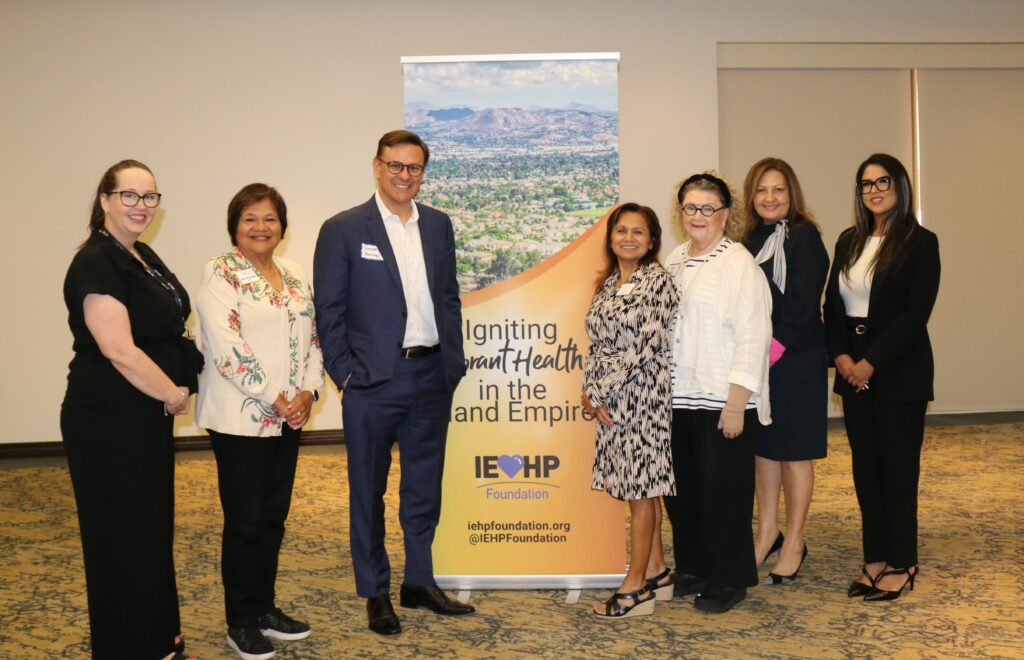
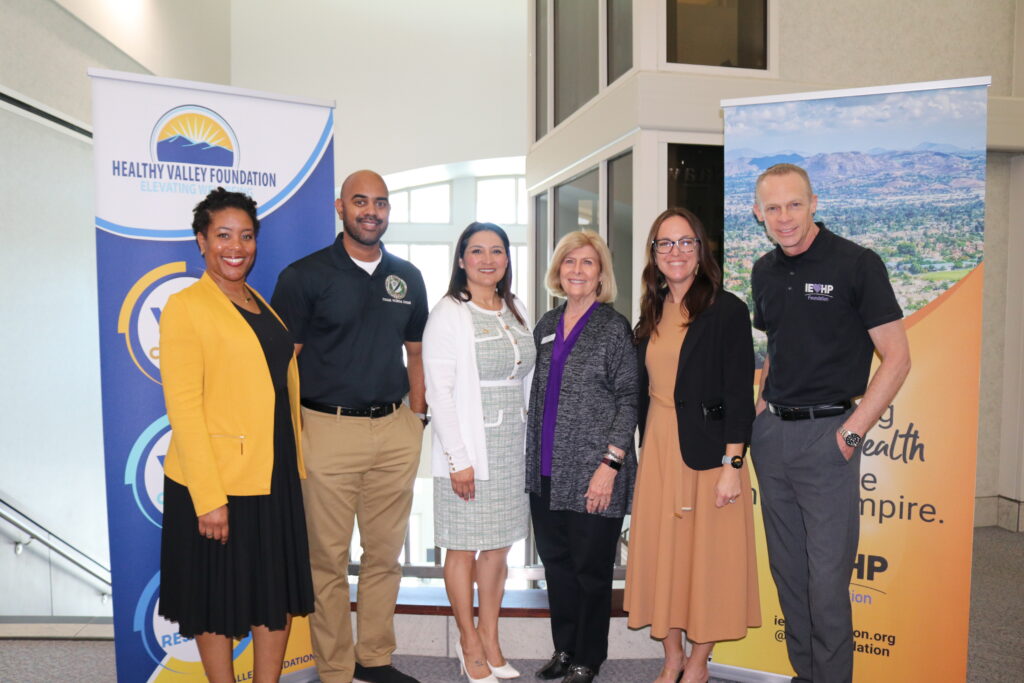
To ensure community leaders across the Inland Empire received timely information and resources, IEHP Foundation hosted four regional events in partnership with IEHP, Healthy Valley Foundation, the Regional Access Project (RAP) Foundation and Eisenhower Health. Locations included Rancho Cucamonga, Victorville, Hemet and Rancho Mirage.
“Feedback from our partners made it clear that the Medi‑Cal updates were both urgent and essential. In response, we took the Vibrant Health Forums on the road so we could bring the information directly to our partners, create space for real‑time discussion, and answer questions in person,” said Sara Omari, IEHP Foundation Strategy & Grants Manager. “It reflects our commitment to responding to community needs and meeting partners where they are.”
IEHP Eligibility & Outreach Manager Andrea Campbell and Eligibility & Outreach Supervisor Brenda Sanchez led the sessions, providing current information, tools, and resources to help CBO leaders understand, implement, and address upcoming changes for their communities.
“It’s essential that our nonprofit and CBO partners learn about the significant changes to Medi‑Cal and how they will impact many families — both those currently receiving benefits and those planning to apply,” said Campbell.
In each session, Campbell and Sanchez emphasized the importance of Medi-Cal members renewing promptly upon receiving their gold envelope. They also noted that the local Medi-Cal office mails the renewal packet 60 days before the renewal date.

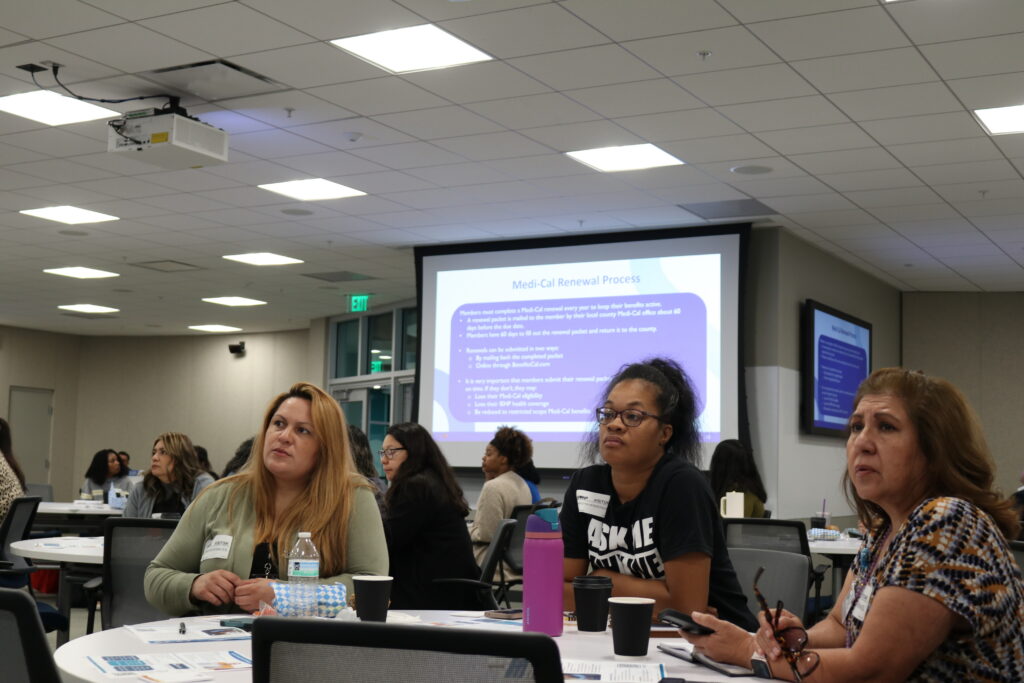




Medi-Cal renewal currently occurs once a year to confirm eligibility. Beginning January 1, 2027, some adults ages 19-64 will have their eligibility reviewed twice a year. Missing deadlines may result in loss of coverage, making timely completion of renewal packets essential.
Community-based organizations and nonprofits can assist members with renewals by using BenefitsCal.com, CBO Manager, or CBO Assister accounts to upload documents, generate reports, help submit applications and ultimately help community members keep their Medi-Cal.
Nonprofits are trusted messengers within their communities and play a vital role in helping individuals and families retain Medi-Cal coverage.
Lucy Vaca, Program Director at A Greater Hope, expressed appreciation for learning about Medi-Cal changes and the direct access to information from IEHP, which helps their communities maintain healthcare access.
“As CBOs, we are the boots on the ground working with community members affected by these changes, and we have a lot of passion to keep our communities healthy and thriving,” said Vaca. “That’s why it’s important to connect and share the information that we are learning.”
Nearly 90% of participants across all four events reported that the forum increased their knowledge of supporting Medi-Cal retention and redetermination efforts.
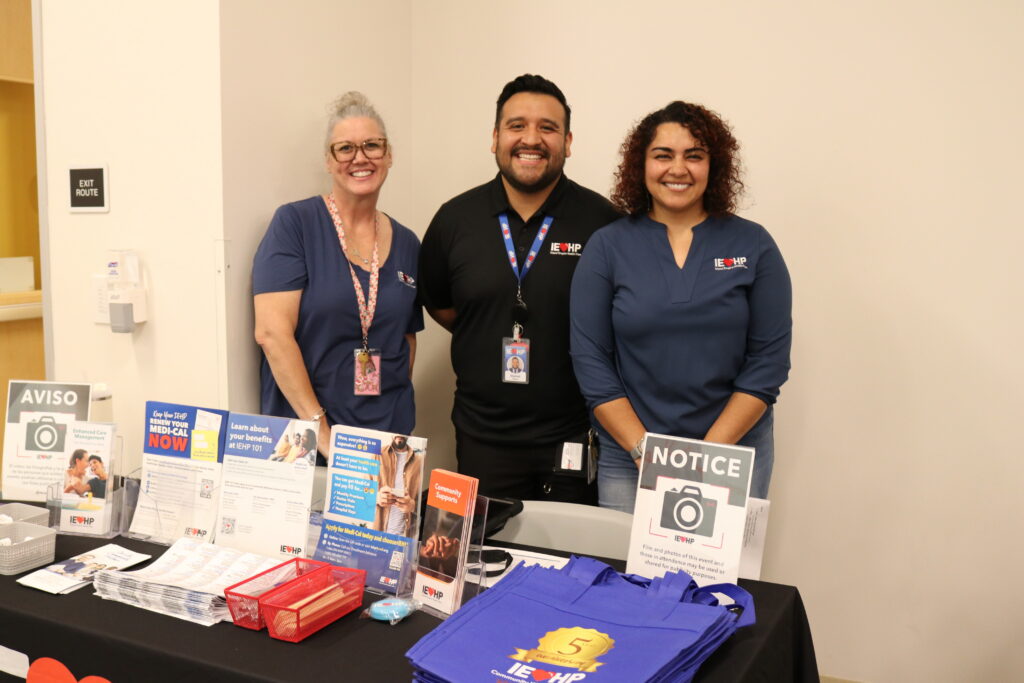
In addition to sharing information, each event featured resource tables staffed by IEHP departments such as eligibility, outreach, and community engagement, as well as county resources like the Riverside County Department of Social Services (DPSS) and the San Bernardino Transitional Assistance Department (TAD). This enabled attendees to connect directly with health plan and county representatives.
Most surveyed attendees found the opportunity to connect with resources and network, in addition to the information provided, extremely valuable.
“Hearing about all the current and upcoming changes to the Medi-Cal program was incredibly valuable,” shared a participant. “I feel more empowered to support my community and help keep them informed about these changes.”
You can help your community members retain healthcare coverage by setting up a BenefitsCal.com account.
You can explore the event materials and resources shared at the event below: