Beth Spalding, Advancement Officer at Children’s Fund, typically began donor conversations by outlining the nonprofit’s services, impact on families and children and key data. While this approach was effective over time and through ongoing relationship building, Beth sensed there was something missing.
After attending the first session of IEHP Foundation’s Inaugural Storytelling for Fundraising and Advocacy Cohort, Beth recognized the value of starting with her organization’s why. She applied this approach days later during a presentation for an employee-giving campaign at a local business supporting Children’s Fund.
“I adjusted my usual pitch and started with our why and tied in impact stories, connecting to Children’s Fund’s top three priorities. The audience was visibly touched and signed up 70 employees, during the campaign launch” shared Beth. She attributes the storytelling training and skills she learned to the success of her pitch. “Because I started with the why, my call to action was stronger; it really ramped up the giving we got right then.”
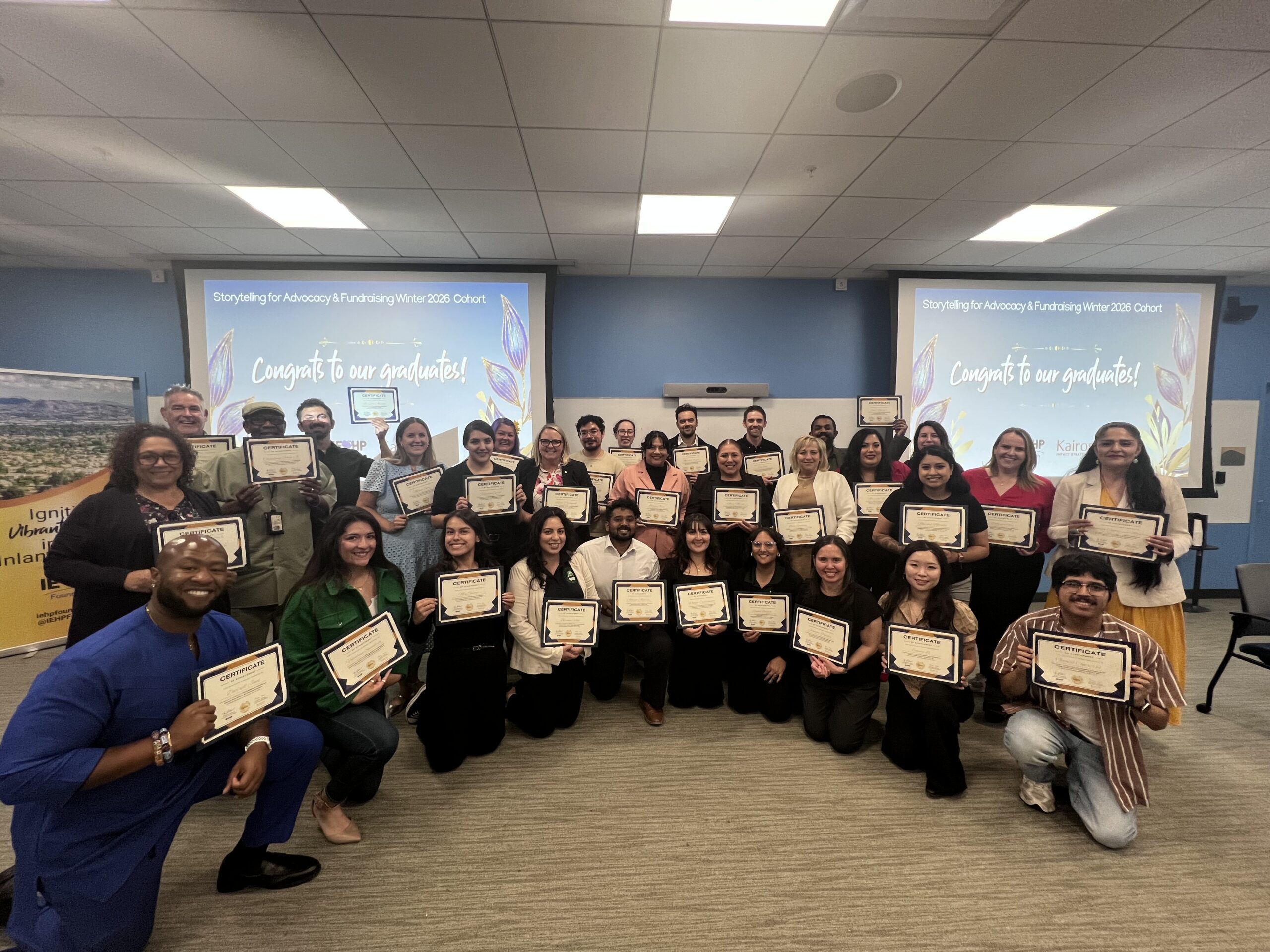
Beth was one of 28 nonprofit leaders from 20 Inland Empire-based organizations who participated in the Storytelling Cohort, gaining skills in developing, identifying and cultivating stories to enhance fundraising and advocacy.
During the eight-session training led by Kristen Caloca, CEO of Kairos Impact Strategies, participants learned communication techniques such as ethical and trauma-informed storytelling, as well as methods to identify impactful stories within their organizations.
“It has been such a joy to watch these leaders connect with each other as they learn side by side because it’s in that shared space that insight deepens, confidence grows and real trust takes root, shared Caloca. “Cohort learning creates a community of practice where leaders sharpen one another and expand their perspectives, which will ultimately strengthen their collective impact across the Inland Empire.”
Most participants had some familiarity with communication strategies, narrative framing and best practices for story development, but were eager to strengthen their skills.
The feedback from participants was overwhelmingly positive, but the growth was impressive. There was a 50-percentage point increase in nearly every category of storytelling knowledge and skills, including storytelling assessment, foundations of storytelling, story sourcing plan and adapting stories for advocacy and fundraising.
Participants not only learned to identify, cultivate and tell stories, but each organization also developed a story using the frameworks provided with a clear call to action.
At the final session, leaders demonstrated their new skills by sharing stories with their cohort peers and guest coaches from philanthropy, media, public policy and marketing, including representatives from IEHP, Inland Empire Community News, SAC Health Foundation, Weingart Foundation and the office of State Senator Eloise Gómez Reyes.
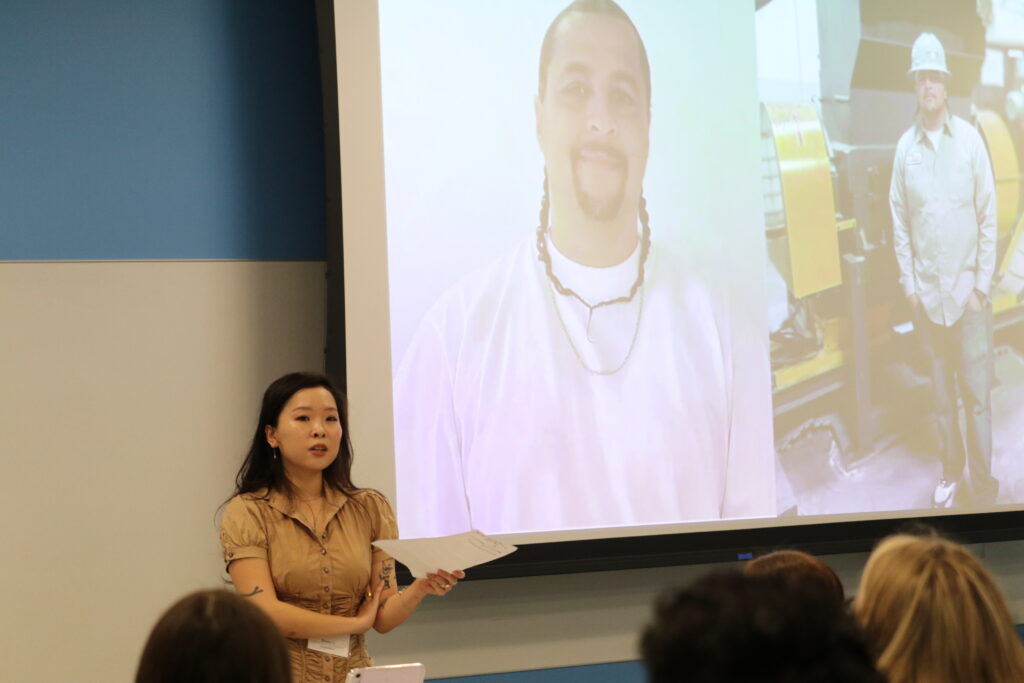
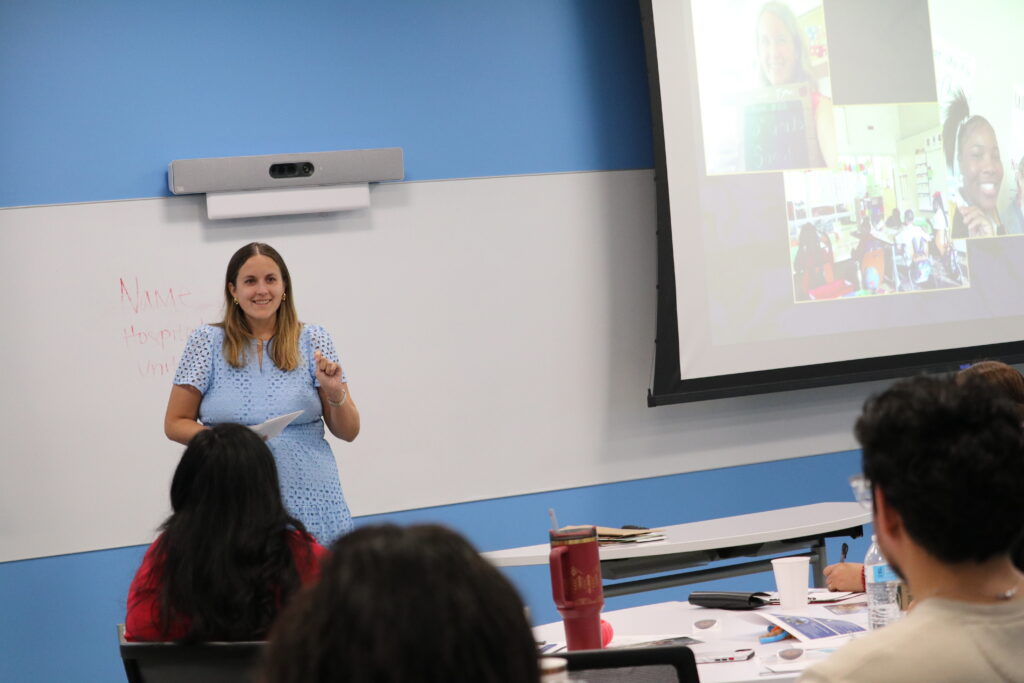
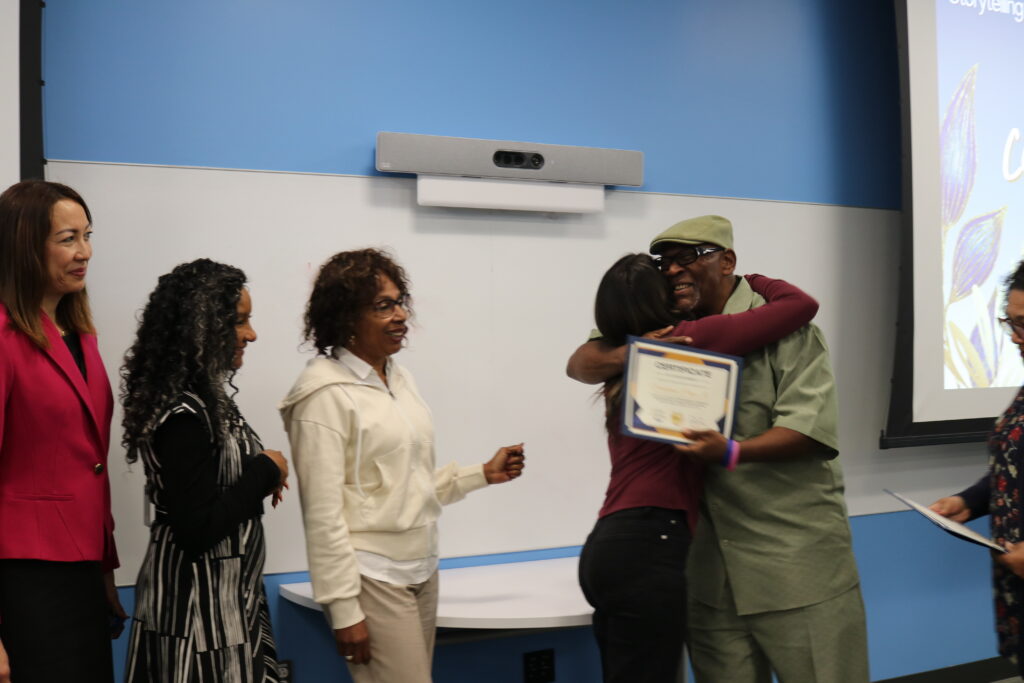


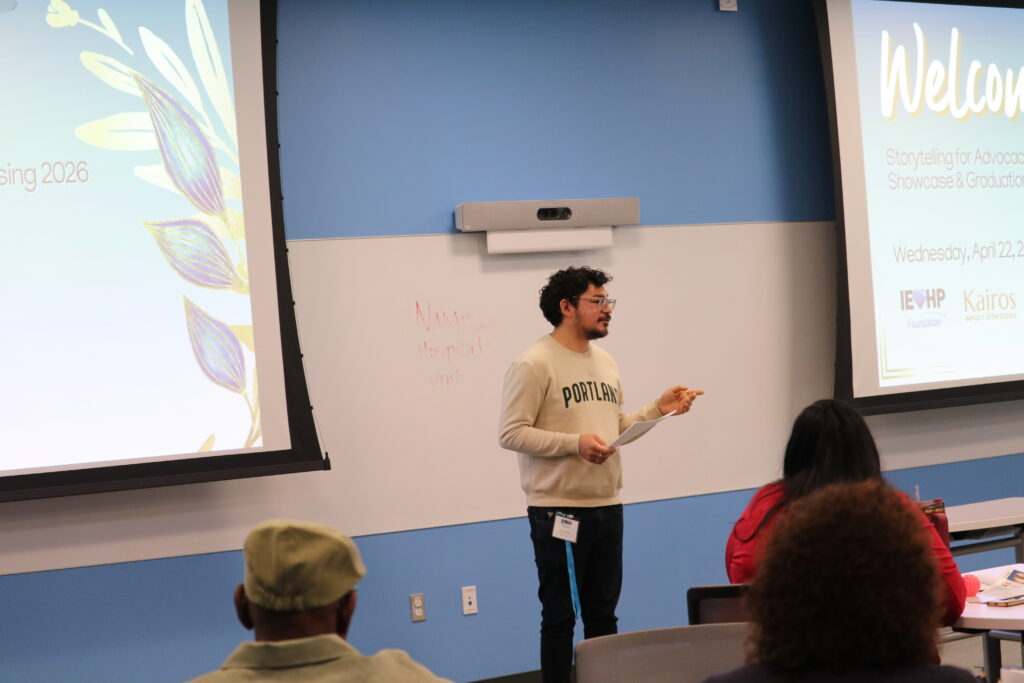
Stories shared included personal narratives on their why, a former foster child’s journey, a community’s fight for a safe and accessible park, the impact of kindness, and more.
Throughout the cohort, leaders not only improved their storytelling skills but also developed as a collaborative network, sharing ideas, supporting one another and celebrating successes. For many, exploring narrative frameworks and learning to share their own stories proved both powerful and inspiring.
“I am not leaving the cohort as the same person,” shared Nancy Mercer, Community Impact Manager at Inland Housing Solutions. “When I speak to funders, I am now well equipped to know how to answer our why and how to tell a story about our clients and members – the real heroes of Inland Housing Solutions.”
After completing the training, each organization received a $1,500 grant for storytelling efforts, which could be used for equipment, staff training or printing communication materials. The training also influenced organizations to use the funds strategically to build systems for identifying, capturing and amplifying stories.
“Initially, we considered using the funds more broadly for general communications, but the training helped us see the importance of building a sustainable storytelling system first,” said Liliana Arias, Pathway to Housing Development Manager at CityLink. “Now, our priority is creating the internal structure and tools that will allow us to consistently mine and steward stories over time, rather than capturing them sporadically.”
IEHP Foundation is committed to strengthening nonprofit organizations and leaders. The Foundation hopes this investment will yield long-term benefits as the cohort enhances storytelling across the region, helping to secure funding and advocate for Inland Empire communities.